
Seasonal Tips From a Mechanic Near Me in Thousand Oaks California
April 29, 2026
Spice Up Tonight with Indian Food Delivery
September 4, 2026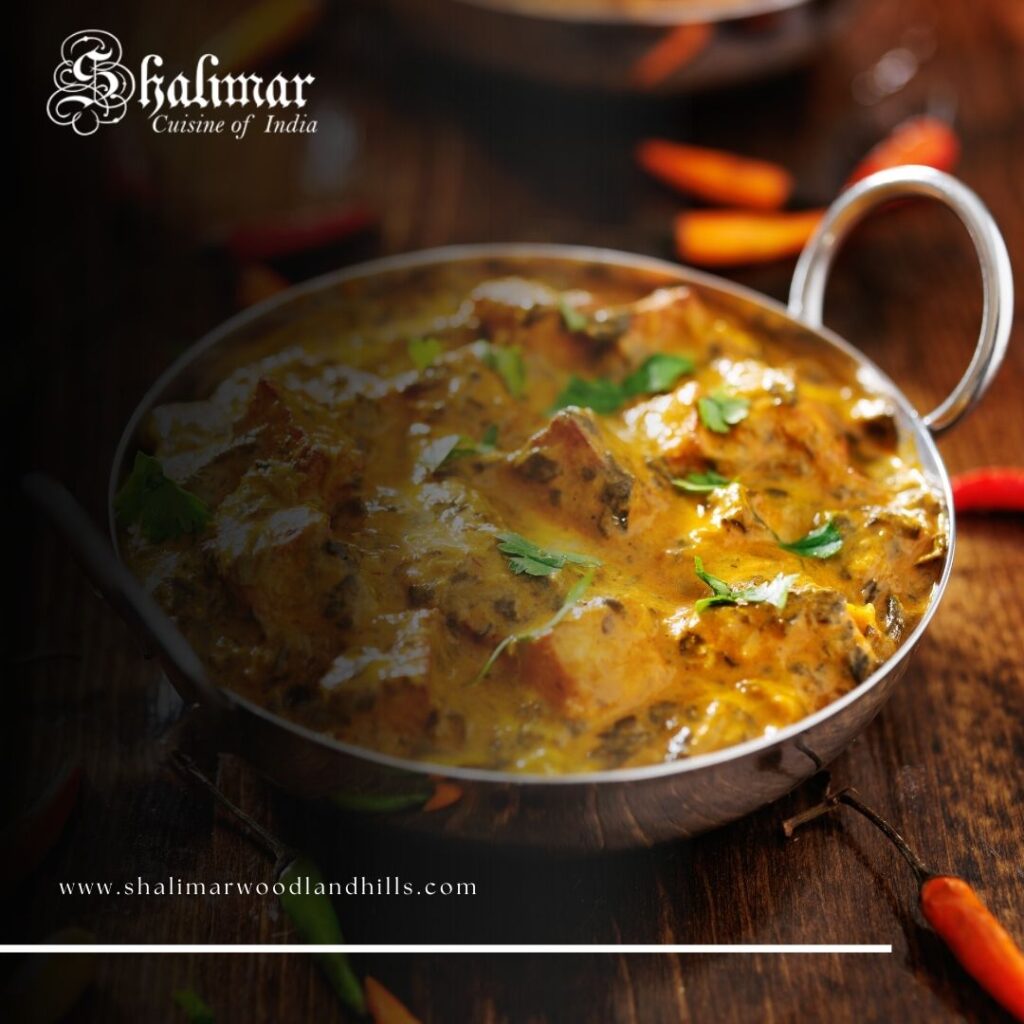
Indian food is renowned around the world for its bold flavors, intricate spices, and aromatic dishes. The secret to its unique taste lies in the perfect blend of spices that transform simple ingredients into complex, layered meals. From the rich curries of the north to the fiery dishes of the south, Indian food offers a diverse palette of flavors, textures, and colors. This article explores how Indian food’s mastery of spices creates unforgettable meals, and why this culinary tradition continues to captivate the global palate.
The Foundation of Indian Cuisine: Spices
At the heart of Indian food is the use of spices, which are more than just seasoning—they are the essence of the dish. Indian cuisine relies on a combination of spices like turmeric, cumin, coriander, cardamom, and garam masala to create distinctive, balanced flavors. These spices are often used in various forms—whole, ground, or freshly blended—giving each dish a unique depth.
For example, garam masala, a warm, fragrant spice mix, typically includes ingredients such as cinnamon, cloves, cardamom, and cumin. It adds warmth and complexity to dishes like butter chicken and dal. Similarly, turmeric, with its vibrant yellow color and earthy flavor, is not only essential for its taste but also for its health benefits, making it a staple in dishes like chicken curry and vegetable korma.
The Art of Balancing Flavors
Indian food is a masterclass in balancing flavors—spicy, sweet, sour, bitter, and salty—creating a harmony that dances on the taste buds. The combination of heat from spices like chili peppers with the cooling effects of dairy products like yogurt or cream is a common practice. For instance, in paneer tikka masala, the rich, creamy tomato-based sauce complements the spicy marinated paneer (Indian cottage cheese), offering a perfect balance of flavor.
Indian cuisine also embraces the art of tempering, or tadka, which involves frying whole spices in oil to release their essential oils and flavors. This technique is used in many dishes, including dal and sambar, creating a fragrant base that enhances the overall taste profile.
Regional Variations in Spice Usage
One of the most fascinating aspects of Indian food is how different regions interpret the use of spices. In the north, dishes tend to be milder, with an emphasis on dairy products like paneer and yogurt. Rogan josh, a lamb dish from Kashmir, is cooked with a combination of cardamom, cinnamon, and Kashmiri chili, creating a rich, aromatic experience.
In contrast, southern Indian food is known for its bold, spicy flavors. Dishes like chettinad chicken or fish curry from Kerala are made with a combination of curry leaves, mustard seeds, and tamarind, giving them a tangy and spicy kick. The use of coconut milk in southern curries adds a smooth texture, complementing the heat from the spices.
The Allure of Indian Food
Indian food’s perfect blend of spices is what sets it apart from many other cuisines. The careful use of aromatic spices, combined with regional variations and techniques, creates a dynamic culinary experience that is both flavorful and exciting. Whether it’s a spicy vindaloo, a mild butter chicken, or a vegetarian dal, Indian food offers a wide range of flavors to suit every palate.
For those who haven’t yet explored Indian cuisine, it’s time to indulge in its diverse and captivating flavors. Experiment with different spices in your own cooking or visit an Indian restaurant to experience firsthand the art of blending spices in Indian food. The journey through Indian food is not just about eating—it’s an exploration of culture, tradition, and the perfect balance of flavors that make it one of the world’s most beloved cuisines.
Shalimar Cuisine of India Inc
23011 Ventura Blvd, Woodland Hills, CA 91364, United States
www.shalimarwoodlandhills.com
(818) 225-7794