

Authentic Flavors at Your Favorite Indian Restaurant
September 23, 2025
From Curry to Naan: The Joy of Indian Food Delivery
October 3, 2025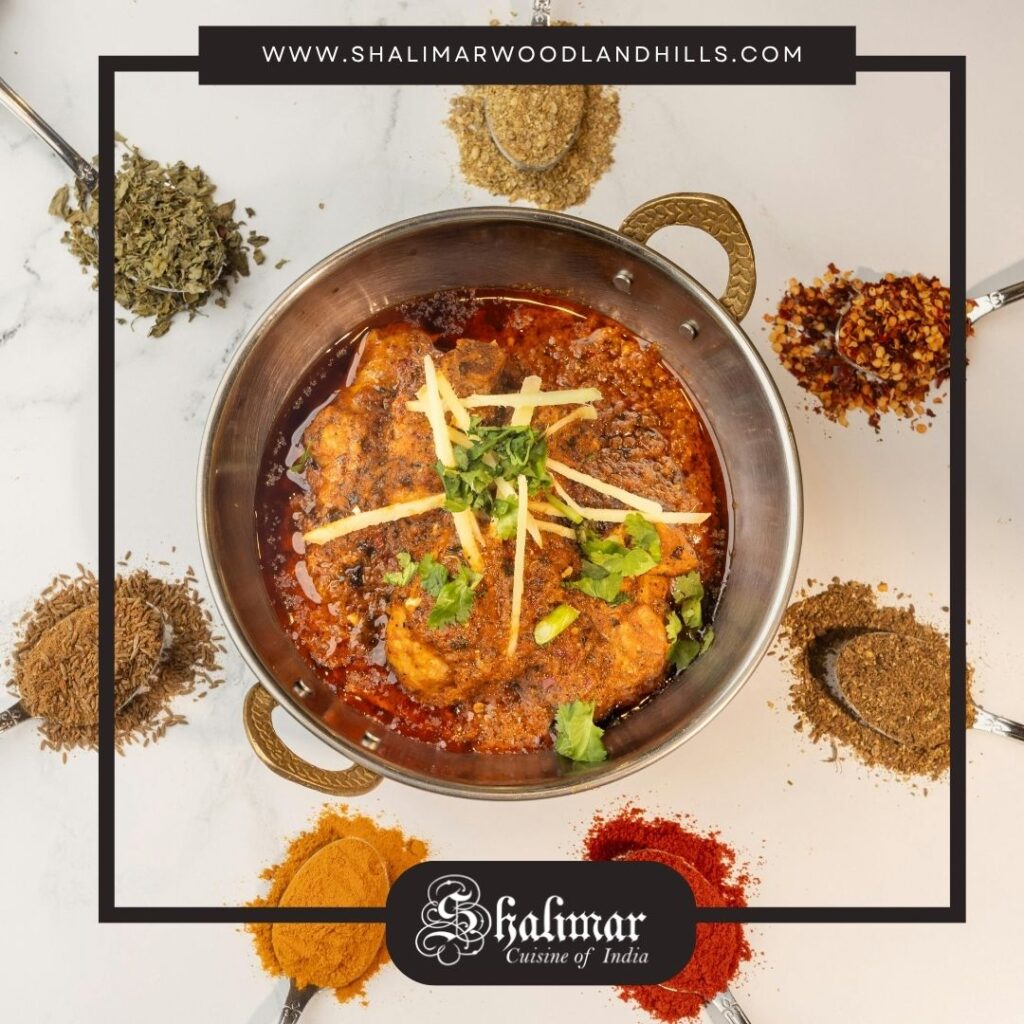
Few cuisines in the world captivate the senses quite like Indian food. From the first whiff of aromatic spices to the complex layers of flavor that dance on the palate, it’s a culinary experience that feels both comforting and adventurous. Whether it’s a creamy butter chicken, a fiery vindaloo, or a simple bowl of dal and rice, Indian food has a way of turning every meal into a celebration. But what exactly makes it so irresistible? The secret lies in the ingredients — and the centuries-old traditions that shape how they’re used.
1. The Magic of Spices
At the heart of Indian food is an extraordinary relationship with spices. Far beyond mere seasoning, spices are the soul of every dish. Common staples such as turmeric, cumin, coriander, cardamom, and cloves are used not just for their flavor, but for their aroma, color, and health benefits.
Unlike many Western cuisines that rely on one or two dominant flavors, Indian cooking combines multiple spices in precise ratios to achieve balance. A single curry might include more than ten ingredients, each added at different stages to unlock unique characteristics.
For instance, cumin seeds sizzle in hot oil to release a nutty aroma before vegetables are added. Turmeric lends a golden hue and earthy warmth, while garam masala — a fragrant mix of ground spices — adds a finishing touch that elevates the entire dish. The result is a depth of flavor that evolves with every bite.
Science even supports the harmony behind Indian flavor combinations. A 2015 study published in Scientific Reports found that Indian recipes often use ingredients with contrasting flavor compounds, creating the perfect balance of taste and complexity.
2. Fresh Herbs and Aromatics
Indian cuisine doesn’t rely solely on dried spices — fresh herbs and aromatics play a major role too. Garlic, ginger, and onions form the base of countless dishes, sautéed slowly to build depth and richness. These ingredients provide a savory backbone that enhances the spices layered on top.
Fresh cilantro and mint add brightness, while curry leaves contribute a citrusy fragrance unique to South Indian cooking. In North Indian dishes, fenugreek leaves (known as methi) give a slightly bitter, nutty note that complements creamy sauces and hearty lentils.
Each herb and aromatic ingredient is chosen for how it interacts with others — a culinary symphony where no single flavor dominates.
3. The Power of Balance: Sweet, Sour, Salty, and Spicy
What makes Indian food stand out is its masterful balance of the five fundamental tastes: sweet, sour, salty, bitter, and spicy. Every region of India has its own way of achieving this equilibrium.
In Gujarat, dishes like dal dhokli combine sweet jaggery with tangy tamarind. In Bengal, mustard oil and yogurt bring both sharpness and creaminess. Meanwhile, in South India, tamarind and coconut create a harmony of acidity and smoothness that defines many curries.
This thoughtful balance ensures that every meal satisfies not just the tongue, but the entire sensory experience — heat from chili, tang from lime, and sweetness from caramelized onions or coconut milk.
4. Regional Diversity and Local Ingredients
Another reason Indian food feels endlessly fascinating is its diversity. India’s geography — from the snowy Himalayas to tropical coastlines — has given rise to distinct regional cuisines.
- North India favors rich, creamy gravies made with butter, ghee, and yogurt. Dishes like paneer tikka masala and naan showcase Mughlai influences.
- South India is known for rice-based dishes like dosa, sambar, and coconut chutney, featuring lighter, tangier flavors.
- Western India embraces sweet-spicy contrasts, while Eastern India leans on mustard oil, freshwater fish, and fermented rice.
Each region’s use of local produce, grains, and oils gives Indian food a flavor map as vast and varied as the country itself.
5. Tradition, Technique, and Time
Beyond ingredients, the true secret of Indian food lies in its methods. Slow cooking, roasting spices, and layering flavors over time create dishes that taste deeply satisfying. A lentil curry simmered for hours develops a complexity that can’t be rushed.
Even simple techniques — like tempering (tadka) hot oil with mustard seeds and curry leaves — can transform an ordinary dish into something extraordinary. It’s this patience and respect for process that define Indian cooking as both an art and a science.
The Flavor of Heritage
The irresistible charm of Indian food isn’t just about spice — it’s about balance, tradition, and passion. Every ingredient serves a purpose, every aroma tells a story, and every dish reflects centuries of cultural evolution.
Whether enjoyed at a bustling street stall or a fine-dining restaurant, Indian cuisine invites you to slow down, savor, and connect — with flavor, history, and humanity itself.
So, the next time you take a bite of curry or tear into a piece of warm naan, remember: what you’re tasting isn’t just food — it’s a centuries-old legacy, crafted with heart and seasoned with soul.