

The Role of Spices in Elevating Indian Cuisine to an Art Form
October 20, 2025Health Benefits of Indian Food in Woodland Hills California
October 22, 2025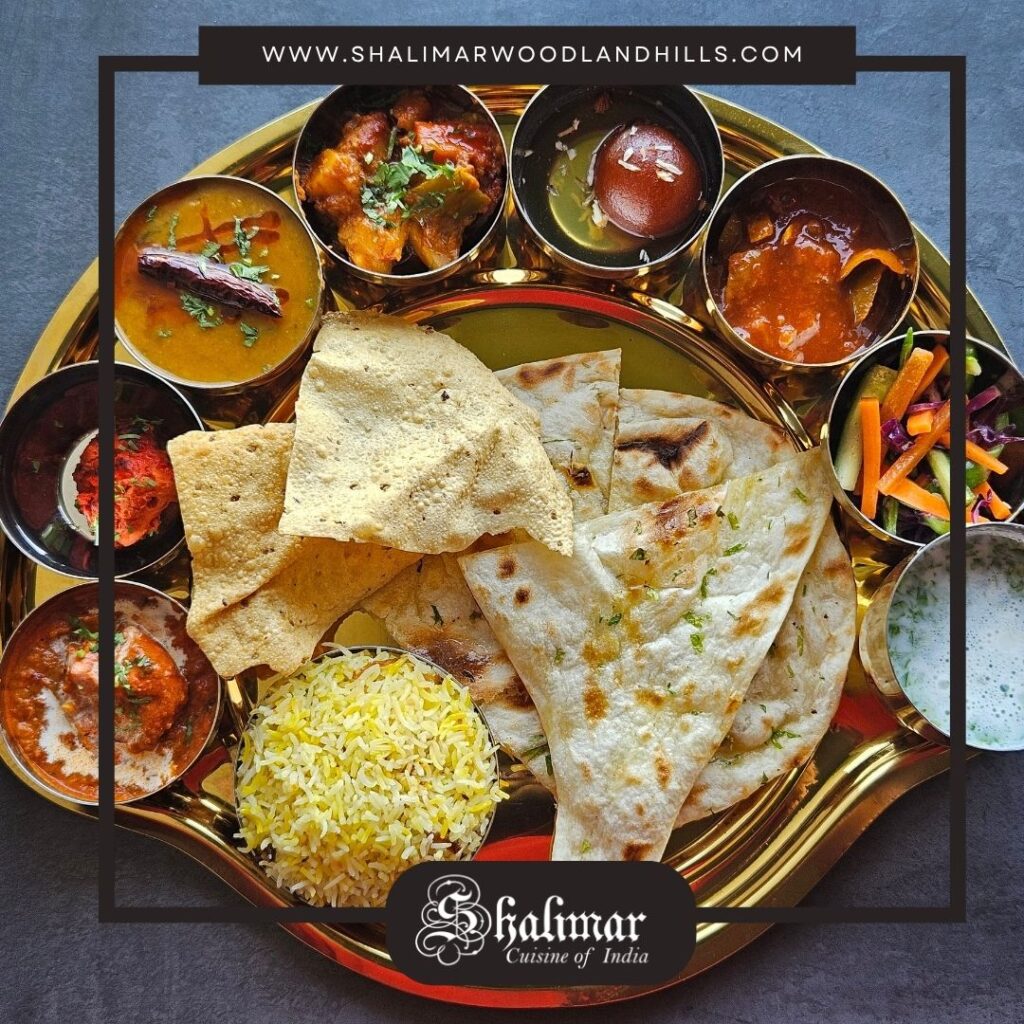
Few culinary experiences are as versatile and rewarding as dining at an Indian restaurant. Whether you’re looking for a cozy, casual meal filled with comfort classics or an elegant fine dining experience that redefines traditional flavors, Indian cuisine offers something for every taste and occasion. With its incredible diversity, spice-driven dishes, and focus on hospitality, an Indian restaurant can be the perfect destination for both relaxed evenings and special celebrations.
But how do you decide which type of Indian restaurant fits your needs — fine dining or casual? Understanding the differences, atmosphere, and what to expect from each experience can help you make the perfect choice for your next culinary adventure.
1. The Essence of Indian Dining: Flavor Meets Culture
Before diving into the styles of dining, it’s important to recognize what makes an Indian restaurant unique. At its core, Indian cuisine celebrates diversity — not just in flavors but in experience. Every region of India contributes something distinct, from the creamy gravies of the north to the coconut-infused curries of the south.
Dining at an Indian restaurant, whether fine or casual, is not just about food — it’s about culture. It’s the warmth of the staff, the aroma of freshly ground spices, and the sense of connection that comes with sharing a variety of dishes at the table. This philosophy carries over into both types of establishments, though the approach and presentation differ.
2. Fine Dining Indian Restaurants: Sophistication with a Cultural Touch
Fine dining Indian restaurants are designed for those who want more than just a meal — they offer an experience. These establishments typically focus on elegant presentation, curated menus, and elevated service, turning traditional Indian recipes into modern culinary masterpieces.
You might find a Michelin-starred chef deconstructing a classic like butter chicken into a refined tasting course or presenting biryani in a sculpted, artistic form. High-end Indian restaurants such as Gaggan in Bangkok or Junoon in New York have redefined global perceptions of Indian food, proving that it can be as luxurious and innovative as French or Italian cuisine.
In fine dining settings, expect:
- Refined presentation: Dishes are plated artistically, often using modern techniques like molecular gastronomy.
- Curated menus: Many feature tasting menus or à la carte options inspired by regional and seasonal ingredients.
- Premium service and ambiance: Elegant décor, soft lighting, and a calm atmosphere designed for conversation.
- Wine and cocktail pairings: Sophisticated beverage programs designed to complement bold Indian flavors.
Fine dining Indian restaurants are ideal for romantic dinners, business meetings, or special occasions where ambiance and attention to detail matter as much as the food itself.
3. Casual Indian Restaurants: Comfort, Flavor, and Familiarity
On the other end of the spectrum, casual Indian restaurants embrace the heart of Indian dining — comfort, generosity, and vibrant flavor. These are the spots where you can dig into a plate of chicken tikka masala with warm naan or enjoy a quick thali filled with a variety of curries, rice, and desserts.
The focus here is authenticity and satisfaction over formality. You’re likely to find family-owned establishments with recipes passed down through generations — each bite rich in tradition.
Typical features of a casual Indian restaurant include:
- Generous portions: Meals are hearty, often designed for sharing.
- Lively atmosphere: Expect colorful interiors, upbeat music, and the hum of conversation.
- Affordable pricing: A satisfying meal at a reasonable cost.
- Authentic menus: Regional favorites like samosas, dal makhani, or paneer butter masala cooked traditionally.
Casual Indian restaurants are perfect for weeknight dinners, group outings, or anyone seeking genuine comfort food that feels like home.
4. The Growing Middle Ground: Modern Indian Bistros and Fusion Spots
In recent years, a new category of Indian restaurants has emerged — modern bistros and fusion eateries that blend the accessibility of casual dining with the creativity of fine dining. These spots focus on innovation while keeping the soul of Indian cooking intact.
Imagine tandoori tacos, masala pasta, or chai-inspired desserts. These restaurants appeal to younger audiences and food enthusiasts who enjoy a laid-back atmosphere but still appreciate refined flavor combinations and presentation.
This evolution reflects the global rise of Indian cuisine — adaptable, inventive, and increasingly mainstream.
5. Choosing the Right Indian Restaurant for You
When deciding between fine dining and casual Indian restaurants, consider the occasion, budget, and dining experience you’re after.
- For celebrations: Choose fine dining for an elevated, memorable evening.
- For comfort and community: Go casual for hearty meals and relaxed vibes.
- For culinary curiosity: Try a modern Indian bistro for creative twists on traditional flavors.
No matter the style, the essence of an Indian restaurant lies in its warmth, hospitality, and dedication to flavor — values that remain constant across all settings.
The Perfect Indian Restaurant Awaits
Whether you’re dressing up for an elegant night out or craving a comforting plate of curry and naan, an Indian restaurant always delivers an experience rich in taste and tradition. The beauty of Indian dining is its versatility — it can be formal or friendly, refined or rustic, yet always rooted in authenticity.
So next time you’re planning a meal, let your cravings and mood guide you. Step into a local casual eatery or a high-end Indian fine dining spot — and discover why, no matter where you go, Indian cuisine always feels like home on a plate.